Online Streaming Legal Risks for Visa Holders and Immigrants
Lawfully watching a movie online normally has no effect on a visa, green card, work permit, or immigration application. The legal analysis can change when online activity involves unauthorized distribution, illegal downloads, fraud, identity theft, criminal charges, or inaccurate answers submitted to immigration authorities.
For visa holders and immigrants, an online legal problem may involve several separate areas of law. A copyright lawyer may need to review an infringement claim. A criminal defense attorney may be required after an investigation or arrest. An immigration lawyer may then determine whether the incident must be disclosed and whether it could affect immigration status.
This article provides general U.S. educational information. It is not legal advice, and immigration or copyright outcomes depend on individual facts and applicable law.
The Legal Difference Between Viewing, Downloading, and Distributing Content
Copyright law protects movies, television programs, music, software, photographs, and other original works. The legal risk depends heavily on what a person actually did.
Viewing Lawfully Licensed Content
Watching content through an authorized streaming provider generally presents little copyright concern for the viewer. Legitimate services obtain licenses and may offer content through subscriptions, advertisements, libraries, or promotional access.
Opening a Suspicious Website
Accidentally opening a questionable page is different from intentionally operating or promoting an unauthorized service. However, suspicious websites may expose visitors to malware, fraudulent payment requests, identity theft, or unauthorized downloads.
Document what happened if a website automatically downloaded a file, installed an extension, or collected sensitive information.
Downloading Copyrighted Material
Downloading a protected movie without authorization may implicate the copyright owner’s reproduction rights. The U.S. Copyright Office explains that unauthorized uploading or downloading can create infringement liability. U.S. Copyright Office guidance
Uploading or Sharing Content
Uploading, redistributing, or selling access to copyrighted material generally creates greater legal exposure than passive viewing. Evidence may include account records, payment information, server logs, messages, advertising revenue, and file-sharing activity.
Operating an Unauthorized Streaming Business
Running or profiting from an illegal streaming platform can lead to serious civil or criminal allegations. The U.S. Department of Justice has prosecuted operators of large unauthorized streaming services involving commercial infringement and other financial offenses. Department of Justice enforcement example
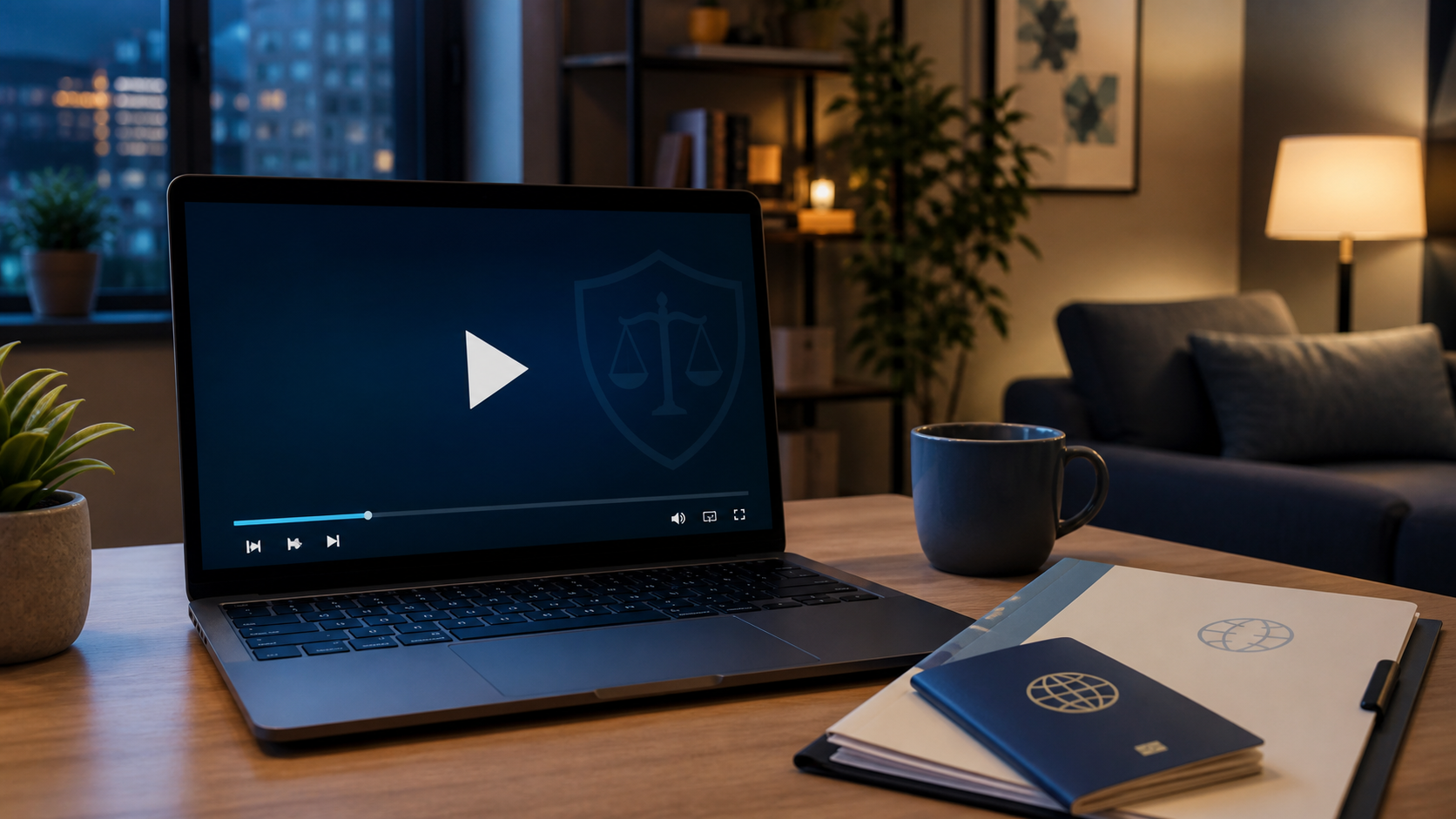
[IMAGE: Insert the supplied legal streaming and visa hero image here]
What Legal Claims Can Arise From Online Streaming Activity?
An online entertainment dispute can develop into several different legal matters.
Civil Copyright Infringement
A copyright owner may send a demand letter, subpoena, settlement proposal, or lawsuit alleging unauthorized use of protected material.
A copyright infringement lawyer can evaluate:
- Whether the claimant owns the relevant rights.
- What online activity allegedly occurred.
- Whether content was viewed, downloaded, uploaded, or distributed.
- Whether the identified account belongs to the accused person.
- Whether a defense or limitation may apply.
- Whether the requested settlement is reasonable.
- Which response deadlines must be met.
Do not assume that every demand is genuine. Confirm the sender independently before providing personal information or making a payment.
Criminal Copyright Investigation
Commercial-scale or willful infringement can create criminal exposure. A person contacted by law enforcement should consult a criminal defense attorney before giving a detailed statement or consenting to a device search.
The existence of an investigation does not establish guilt. However, statements made without legal advice can affect both a criminal case and a later immigration filing.
Fraud and Financial Crimes
Suspicious websites may be connected to fraudulent subscriptions, stolen payment cards, money laundering, or deceptive advertising. A person who knowingly receives or transfers illegal proceeds may face issues beyond copyright law.
Identity Theft and Data Breaches
A website may request passport scans, visa documents, banking details, immigration receipt numbers, or account credentials. This information can be used for identity theft or immigration fraud.
An identity theft attorney or consumer protection lawyer may help when stolen information leads to fraudulent accounts, financial losses, false immigration submissions, or disputes with credit agencies.
Contract and Terms-of-Service Disputes
A platform may suspend an account for violating location restrictions, sharing credentials, bypassing access controls, or misusing subscription benefits. A contractual suspension is not automatically a criminal or immigration matter, but related conduct may require closer review.
Can an Online Legal Problem Affect a Visa?
A copyright warning or suspended streaming account does not automatically cause visa denial or deportation.
Immigration consequences depend on factors such as:
- Whether an arrest occurred.
- Whether criminal charges were filed.
- The exact criminal statute.
- Whether there was a conviction or guilty plea.
- The sentence imposed.
- Whether fraud or intentional deception was alleged.
- Whether the conduct must be disclosed.
- Which visa or immigration benefit is being requested.
- The applicant’s complete immigration and criminal history.
USCIS guidance recognizes that certain criminal conduct and convictions can affect admissibility, deportability, discretionary immigration benefits, and good-moral-character determinations. USCIS policy guidance
Because immigration law uses specialized definitions, the result in criminal court may not provide the complete immigration answer.
When Should You Consult an Immigration Lawyer?
Consider an immigration lawyer consultation if:
- You were arrested or charged for conduct involving online activity.
- Police, federal agents, or another government agency contacted you.
- You received a criminal summons, subpoena, or court notice.
- You entered a guilty plea or diversion program.
- A visa form asks about an incident in your record.
- You have an upcoming visa interview after an arrest.
- You are applying for a green card or citizenship.
- You are concerned about admissibility or deportability.
- You previously provided an incomplete answer to immigration authorities.
- Your passport or immigration documents were used for fraud.
An immigration attorney can determine what must be disclosed, which court records are needed, and whether the matter may affect the requested benefit.
Why Accurate Visa Disclosure Matters
Immigration applications may ask about arrests, charges, convictions, fraud, immigration violations, and other conduct. The wording differs between forms and benefits.
Do not guess that an expunged, dismissed, or old case can be omitted. Immigration law may treat a criminal disposition differently from state law.
Likewise, do not describe yourself as convicted if no conviction occurred. Obtain certified records and professional advice so the answer is accurate.
False statements or concealed information can create a separate immigration issue. A visa attorney should review uncertain disclosures before the application is filed.
Which Type of Lawyer Should You Contact?
| Situation | Lawyer to Consider |
|---|---|
| Copyright demand or infringement lawsuit | Copyright infringement lawyer |
| Police contact, search request, or criminal charge | Criminal defense attorney |
| Visa, green card, citizenship, or deportation concern | Immigration lawyer |
| Stolen passport or fraudulent accounts | Identity theft attorney |
| Unauthorized charges or deceptive subscription | Consumer protection lawyer |
| Online business accused of distributing content | Copyright and business litigation lawyer |
| Combined criminal and visa problem | Criminal defense and immigration lawyers |
A single incident may require more than one lawyer. Criminal defense decisions should be coordinated with immigration counsel before a plea or settlement is accepted.
What to Do After Receiving a Copyright or Legal Notice
Preserve the Notice
Keep the complete email, envelope, attachment, message headers, and delivery details. Save a copy without altering it.
Do Not Delete Evidence
Deleting files, messages, browser data, payment records, or account history after receiving a legal notice can create additional complications.
Verify the Sender
Contact the organization through independently verified information. Do not rely only on telephone numbers or payment links contained in an unexpected message.
Record What Happened
Write a factual timeline that includes:
- The website or application used.
- The date and approximate time.
- Whether a file was downloaded.
- Whether anything was uploaded or shared.
- Whether money was paid or received.
- Who had access to the device or internet account.
- Whether personal documents were submitted.
Avoid Detailed Public Statements
Do not post admissions, accusations, or legal strategies on social media. Public statements may be preserved and used in later proceedings.
Obtain Legal Advice Before Responding
A demand letter, subpoena, lawsuit, or criminal notice may carry a strict deadline. A qualified lawyer can determine whether a response is required and how it should be prepared.
Protecting Visa and Identity Documents Online
Entertainment websites should not require immigration documents to play a movie.
Use these precautions:
- Never upload a passport or green card to an unknown website.
- Do not share USCIS receipt numbers unnecessarily.
- Use a separate password for immigration accounts.
- Enable multifactor authentication.
- Avoid unknown browser extensions.
- Do not install unofficial video players.
- Review bank and credit card activity regularly.
- Store immigration records securely.
- Verify website domains before signing in.
- Report a lost or stolen passport through the appropriate official process.
If a passport, visa, or immigration notice has been exposed, document the incident and obtain advice about replacing documents, protecting financial accounts, and addressing fraudulent use.
Do VPNs Eliminate Copyright Liability?
A virtual private network can improve privacy, particularly on public Wi-Fi. It does not grant permission to use copyrighted content.
A VPN may also conflict with a platform’s terms or geographic restrictions. Laws and contractual rules differ by country and service. Claims that a VPN automatically makes unauthorized content legal are unreliable.
Attempting to conceal conduct can also complicate a later legal investigation. Seek advice based on the actual facts instead of relying on marketing claims from a VPN or streaming website.
Frequently Asked Legal Questions
Can a copyright notice cause visa denial?
A private copyright notice does not automatically cause visa denial. The analysis may change if the matter leads to criminal charges, a conviction, fraud allegations, or a disclosure requirement.
Must an arrest be disclosed if the case was dismissed?
Possibly. Immigration forms have different questions, and some request information about arrests even when charges were dismissed. An immigration lawyer should review the specific form and records.
Can a green card holder be deported for an online offense?
Not every online offense creates deportability. The exact statute, conviction, sentence, and immigration history must be evaluated. Obtain advice from an immigration attorney familiar with criminal immigration law.
Should I pay a copyright settlement demand immediately?
Not before verifying the demand and understanding the allegations. A copyright lawyer can evaluate ownership, evidence, defenses, deadlines, and settlement terms.
What if someone used my internet connection?
Account ownership alone may not establish who performed an online action. Preserve router, account, device, and access information. Do not make false statements about who used the connection.
What if my passport was uploaded to a suspicious website?
Change compromised passwords, monitor financial accounts, preserve evidence, and review official procedures for reporting document misuse. Consider advice from an identity theft or immigration attorney.
Final Legal Takeaway
The important issue is not simply whether a movie was free. The legal questions concern authorization, downloading, distribution, financial activity, fraud, identity theft, criminal charges, and immigration disclosure.
Lawful streaming should not affect immigration status. When an online incident produces a demand letter, lawsuit, arrest, criminal investigation, or uncertainty on a visa application, obtain advice from the appropriate lawyer before responding or filing immigration documents.
