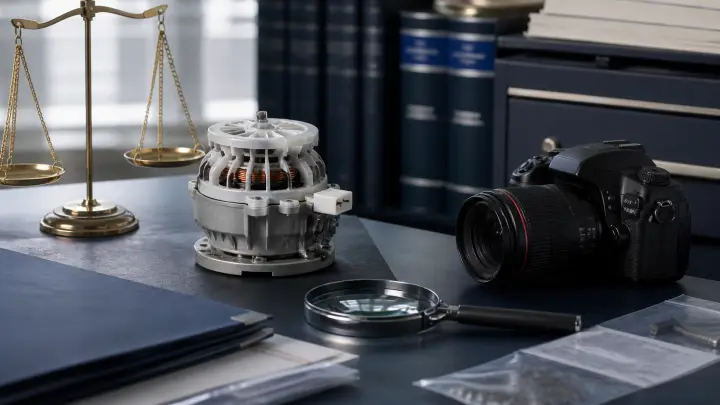
Updated August 25, 2026. Product injury cases can involve manufacturing defects, design choices, warnings, warranties, misuse arguments, recalls, sellers, distributors, and multiple jurisdictions. Preserving the exact product and its chain of custody is often critical.
This original U.S. guide is educational. It cannot decide liability, claim value, medical questions, or deadlines for an individual case.
Product Liability Lawyer: Defective Product Claim Guide: evidence and decisions
Address medical needs and safety first. Preserve evidence and obtain jurisdiction-specific advice before signing a release, giving away important property, or relying on a general deadline.
When prompt legal review may matter
- A product caused serious injury, fire, poisoning, or property damage
- The item, packaging, instructions, receipt, or digital logs still exist
- Similar incidents, complaints, or recalls may exist
- A marketplace, distributor, installer, or rental company is involved
- An insurer or manufacturer asks to inspect or take possession
Evidence and documents
- The product preserved in its post-incident condition
- Packaging, labels, manuals, and receipt
- Serial, model, lot, and seller information
- Photos, video, and incident chronology
- Medical and property-damage records
- Communications with seller, manufacturer, and insurer
Use a factual chronology. Keep originals and metadata where possible, and avoid altering potential evidence.
Attorney fees and case costs
Product cases may require engineers, testing, medical experts, and discovery across companies. Ask how evidence storage and testing will be handled, whether costs need approval, and how contingency deductions work.
The written agreement should explain scope, fee percentage or rates, expenses, staffing, settlement authority, liens, and termination.
Questions for a product liability lawyer
- Who designed, made, distributed, and sold the product?
- How should evidence be stored?
- Is destructive testing proposed?
- Are recalls or similar incidents relevant?
- Which law governs each defendant?
- What notice and filing deadlines apply?
Frequently asked questions
Should I send the product to the manufacturer?
Seek advice first when a serious claim is possible; transferring it can affect access and chain of custody.
Does a recall prove liability?
Not automatically. Recall evidence and admissibility depend on facts and law.
What if I bought it online?
The manufacturer, distributor, seller, marketplace, importer, or other party may require investigation.
Detailed planning framework for Product Liability Lawyer: Defective Product Claim Guide
Use this section to move from general information to an organized consultation. Define the immediate decision, the outcome you want, and the harm that delay could create. General articles cannot calculate liability, eligibility, benefits, damages, coverage, or deadlines for an individual matter.
Build a reliable chronology
Record dates, participants, locations, notices, decisions, symptoms or business effects, payments, and follow-up. Link each important event to a document, photograph, message, record, or witness. Mark uncertain entries rather than presenting memory as confirmed fact. Early consistency makes later investigation more reliable.
Separate urgent protection from long-term strategy
First address safety, medical care, evidence preservation, court or agency notices, insurance reporting, and expiring deadlines. Next compare negotiation, administrative, litigation, and practical alternatives. Consider total cost, time, privacy, stress, relationship impact, collectability, and the chance that a choice cannot be reversed.
Six case checkpoints
| # |
Checkpoint |
What to document |
| 1 |
Preserve the exact product and packaging |
List the known fact, supporting record, missing proof, responsible person, and deadline. |
| 2 |
Document model, lot, and seller history |
List the known fact, supporting record, missing proof, responsible person, and deadline. |
| 3 |
Separate design, manufacturing, and warning theories |
List the known fact, supporting record, missing proof, responsible person, and deadline. |
| 4 |
Investigate recalls and similar incidents |
List the known fact, supporting record, missing proof, responsible person, and deadline. |
| 5 |
Control inspection and testing protocols |
List the known fact, supporting record, missing proof, responsible person, and deadline. |
| 6 |
Identify every company in the distribution chain |
List the known fact, supporting record, missing proof, responsible person, and deadline. |
Evidence quality matters more than volume
An organized set of authentic records is usually more useful than hundreds of unexplained files. Keep originals and metadata; do not crop away context, rewrite messages, coach witnesses, or discard inconvenient information. Ask before giving an opposing insurer, company, agency, or lawyer a broad authorization, release, recorded statement, inspection right, or original item.
Continue appropriate medical or safety steps regardless of a legal review. Describe symptoms and limitations accurately, follow reasonable treatment instructions, and keep a contemporaneous record of missed work, assistance, expenses, and changes in daily activity where relevant.
Cost and communication controls
Ask who will manage the file, how often updates are sent, what decisions require client approval, and how costs are authorized. For contingency matters, compare the percentage at each stage, expense treatment, lien handling, termination terms, and estimated net recovery. For hourly work, request phase budgets, staffing rates, replenishment rules, and assumptions.
Warning signs requiring careful review
- Preserve the exact product and packaging. Preserve the related records and ask counsel which facts could materially change the analysis.
- Document model, lot, and seller history. Preserve the related records and ask counsel which facts could materially change the analysis.
- Separate design, manufacturing, and warning theories. Preserve the related records and ask counsel which facts could materially change the analysis.
- Investigate recalls and similar incidents. Preserve the related records and ask counsel which facts could materially change the analysis.
- Control inspection and testing protocols. Preserve the related records and ask counsel which facts could materially change the analysis.
- Identify every company in the distribution chain. Preserve the related records and ask counsel which facts could materially change the analysis.
Other warning signs include pressure to settle immediately, a request to transfer original evidence, inconsistent explanations, missing records, an unexplained coverage position, or advice from someone who is not authorized to provide legal services. A second opinion can be appropriate when scope or strategy remains unclear.
Consultation preparation checklist
- Write a one-page factual chronology.
- Collect notices, policies, contracts, reports, records, photos, and bills.
- List every involved person, organization, insurer, and witness.
- Identify immediate health, safety, financial, or status concerns.
- Write the three decisions you need counsel to address first.
- Request written fee and scope terms.
- Calendar every known date and verify it with licensed counsel.
This checklist is educational. Urgent injury, detention, court papers, government action, evidence loss, or approaching deadlines require prompt jurisdiction-specific help.
Official source and editorial method
Independently written and checked against the U.S. Consumer Product Safety Commission recall database. Consult licensed counsel and appropriate medical professionals for current advice.
Legal disclaimer: General information only; no attorney-client relationship. Advertising is not an endorsement. Deadlines and rights vary, so seek prompt qualified advice.